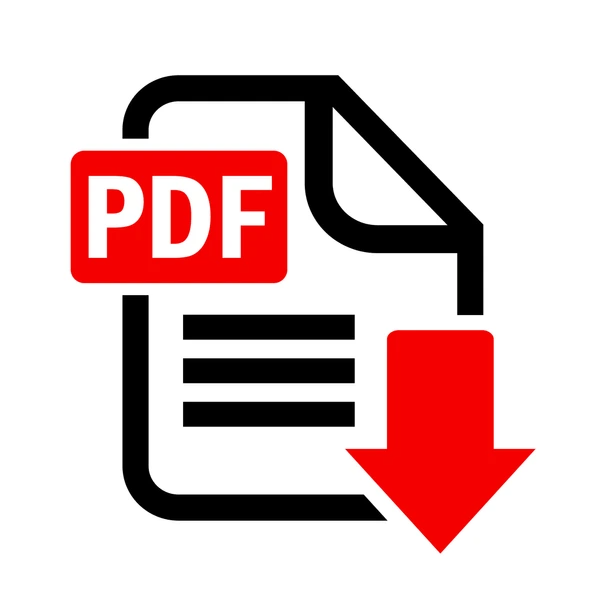
Warehouse Rack Safety Checklist: 15 Things to Inspect Before Loading

What Determines Pallet Rack Load Capacity? A Complete Guide
October 30, 2026
Warehouse racking systems help businesses store inventory efficiently, organise materials and maximise available storage space. From manufacturing facilities and distribution centres to logistics warehouses, pallet racks and heavy-duty storage systems play an important role in daily operations.
However, warehouse rack safety should never be overlooked. Damaged components, overloaded shelves, unstable pallets or incorrect installation can affect the structural stability of a storage system and create risks for employees, inventory and equipment.
A regular warehouse rack safety checklist helps warehouse managers identify visible problems, monitor storage conditions and take corrective action before an issue becomes more serious.
But what should you inspect before loading a warehouse rack? Which components require attention, and what should employees do if they notice damage?
This guide covers 15 important inspection points, practical safety recommendations and maintenance practices to help businesses maintain safer warehouse storage operations.
Why Is Warehouse Rack Safety Important?
Warehouse racks are designed to support specific loads under defined structural and installation conditions. Their performance depends on the condition of the components, the approved rack configuration, the way goods are stored and the operating environment.
When a rack is overloaded, damaged or incorrectly used, its structural performance may be affected. In severe cases, this can result in falling materials or rack collapse.
Warehouse rack safety is important because it helps businesses:
- Reduce the risk of falling inventory and workplace accidents.
- Identify damaged beams, frames and connections.
- Prevent loading beyond approved capacity limits.
- Maintain organised warehouse operations.
- Protect stored products and material-handling equipment.
- Identify maintenance requirements before they become major problems.
- Support a safer working environment for warehouse employees.
A consistent inspection process also helps warehouse managers maintain records of reported damage, corrective actions and maintenance activities.
Warehouse Rack Safety Checklist: 15 Important Things to Inspect
Before loading a pallet rack or heavy-duty storage system, inspect its visible components and confirm that the installation is suitable for the intended storage arrangement.
The following 15 inspection points provide a practical starting checklist.
1. Check Upright Frames for Visible Damage
Upright frames are the vertical structural components that support the horizontal beams and transfer loads towards the floor.
Inspect the columns for:
- Bent or twisted sections.
- Dents caused by forklift impact.
- Cracks, tears or visible deformation.
- Signs of corrosion or deterioration.
- Any noticeable change in vertical alignment.
Even seemingly minor impact damage should be reported and assessed according to the manufacturer’s guidance. Do not assume that a rack remains safe simply because it is still standing.
2. Inspect Horizontal and Diagonal Bracing
Bracing connects the upright columns and helps maintain the stability of the rack frames.
Check whether horizontal and diagonal braces are:
- Present in their intended positions.
- Securely connected.
- Free from visible bending or deformation.
- Free from cracks or damaged connection points.
- Consistent with the approved rack configuration.
Missing or damaged bracing can affect frame stability. Do not remove or replace structural bracing without approval from the manufacturer or a qualified designer.
3. Examine Beams for Bending or Deformation
Horizontal beams support the pallets and transfer their loads to the upright frames.
Before loading, inspect each accessible beam for:
- Visible bending or twisting.
- Dents caused by handling equipment.
- Damaged welds or connections.
- Signs of permanent deformation.
- Unusual sagging or deflection.
A beam that appears significantly bent or damaged should not be treated as safe for continued use without professional assessment.
If a beam has been struck by a forklift, report the incident even when the damage appears minor.
4. Check Beam Connectors and Safety Locks
Beam connectors secure the horizontal beams to the upright frames. Depending on the rack design, locking pins or safety clips may also be used to prevent accidental beam disengagement.
Inspect for:
- Fully engaged beam connectors.
- Missing or damaged safety clips.
- Loose or visibly deformed connections.
- Signs that a beam has moved out of its intended position.
- Unapproved replacement components.
Use only locking devices specified or approved for the rack system. Improvised bolts, clips or replacement parts should not be used as substitutes.
5. Inspect Base Plates and Floor Anchors
Base plates transfer the loads from upright frames to the floor, while floor anchors help secure the rack according to its approved design.
Check the following:
- Base plates are correctly positioned.
- Anchors are present as specified.
- No visible anchor damage or loosening is present.
- No cracks or concerning deterioration are visible around the fixing points.
- There are no signs of movement at the base of the rack.
Any missing or damaged anchor should be reported. The correct repair or replacement arrangement must follow the manufacturer’s approved specifications.
6. Verify Rack Alignment and Vertical Position
Warehouse racks should remain aligned according to their installation specifications.
Look for:
- Upright frames that appear tilted.
- Uneven alignment between rack rows.
- Visible movement or displacement.
- Changes in the position of base plates.
- Signs of floor settlement affecting the installation.
A rack that is out of alignment may have experienced impact damage, incorrect installation or changes in floor conditions.
Do not attempt to straighten a damaged rack by pushing or pulling it back into position. Arrange an assessment by the installer or a competent professional.
7. Confirm the Displayed Load Capacity
Every warehouse rack should be used within its approved loading limits.
Before loading, verify that the relevant load information is available and readable.
Check whether the load notice identifies:
- Permitted beam-level loading.
- Applicable bay load limits.
- Approved rack configuration.
- Any relevant loading conditions.
- Manufacturer or designer information.
The actual stored weight must remain within the approved limits for the complete rack configuration.
If the load notice is missing, unclear or inconsistent with the installed rack, contact the manufacturer or designer before loading.
For more information, read our guide on what determines pallet rack load capacity.
8. Check Pallet Condition Before Storage
A pallet is the interface between stored goods and the supporting rack structure. A damaged or unsuitable pallet can affect load stability.
Inspect pallets for:
- Broken or missing boards.
- Cracked blocks or supports.
- Loose nails or damaged joints.
- Warped or uneven surfaces.
- Visible signs of deterioration.
- Compatibility with the rack’s intended support arrangement.
Do not place damaged pallets into storage positions where their condition could cause goods to shift, fall or become unstable.
9. Check Load Distribution on Each Pallet
The weight of goods should be distributed according to the approved storage arrangement.
Before placing a pallet on a rack, check whether:
- Goods are distributed evenly where required by the design.
- Heavy items are positioned appropriately.
- The pallet is stable.
- Loose materials are secured.
- The load does not create an unintended concentrated loading condition.
Uneven or concentrated loads can place additional stress on supporting components.
If the stored goods have unusual dimensions or weight distribution, confirm their suitability with the rack manufacturer or qualified designer.
10. Ensure Pallets Are Positioned Correctly on Beams
Incorrect pallet positioning can create an unsafe storage condition even when the total pallet weight is within the approved limit.
Check that:
- Pallets are positioned according to the rack design.
- Required beam support points are maintained.
- Pallets are not unintentionally overhanging.
- Loads do not come into contact with upright frames.
- Required clearances are maintained.
The correct positioning method depends on the rack configuration and pallet dimensions. Always follow the manufacturer’s loading instructions.
11. Inspect Rack Guards and Protective Barriers
Rack protection components help reduce damage caused by forklifts and other material-handling equipment.
Depending on the warehouse layout, inspect:
- Upright protectors.
- End-of-aisle barriers.
- Column guards.
- Protective rails.
- Other approved impact-protection accessories.
Check whether protective components are damaged, displaced or missing.
These accessories should be compatible with the installed rack system and should not interfere with its structural components or normal operation.
12. Check Floor Condition Around the Racking System
The condition of the warehouse floor is an important part of rack safety.
Inspect the surrounding area for:
- Visible floor cracks.
- Uneven or damaged surfaces.
- Signs of water accumulation.
- Loose materials or debris.
- Obstructions around rack bases.
- Damage near floor anchor locations.
Floor deterioration or settlement may affect rack alignment and support conditions.
If any concerning change is noticed around the rack foundation or anchoring area, arrange an appropriate site assessment.
13. Verify Storage Height and Overhead Clearance
Warehouse racks are often used to make better use of vertical storage space. However, goods should not be stored beyond the intended rack configuration or available clearance.
Before loading, check:
- Pallet height.
- Clearance between storage levels.
- Clearance from overhead structures.
- Sprinkler and fire-protection clearance requirements.
- Lighting and other building services.
- The approved maximum storage arrangement.
Goods should not obstruct sprinkler systems, emergency equipment or required access routes.
Always follow the building’s fire-safety requirements and the rack manufacturer’s storage recommendations.
14. Look for Corrosion, Rust and Surface Deterioration
Warehouse racks may be exposed to moisture, chemicals, dust and changing environmental conditions.
Inspect accessible surfaces for:
- Rust formation.
- Peeling or damaged protective coatings.
- Corrosion around connections.
- Deterioration near base plates.
- Signs of chemical exposure.
Surface damage should be documented and assessed to determine whether it affects the structural components.
Do not assume that repainting or applying a new coating will resolve structural corrosion. The affected component may require professional evaluation or replacement.
15. Review Previous Inspection and Maintenance Records
A warehouse rack inspection should not be limited to what is visible during the current visit. Previous reports can help identify recurring problems and unresolved issues.
Review available records for:
- Earlier damage reports.
- Previous forklift impact incidents.
- Replaced or repaired components.
- Approved rack modifications.
- Earlier inspection findings.
- Outstanding maintenance work.
Make sure that previously identified problems have been addressed and that any repairs or replacements have been properly approved.
Maintaining inspection records helps warehouse managers track the condition of storage systems over time.
Warehouse Rack Inspection Checklist: Quick Reference Table
Use this table as a practical visual checklist during routine warehouse checks.
| No. | Inspection point | What to check |
|---|---|---|
| 1 | Upright frames | Bends, dents, cracks and twisting |
| 2 | Frame bracing | Missing, loose or damaged braces |
| 3 | Horizontal beams | Bending, impact damage and deformation |
| 4 | Beam connectors | Engagement and safety locks |
| 5 | Base plates and anchors | Position, damage and fixing condition |
| 6 | Rack alignment | Tilt, movement and displacement |
| 7 | Load capacity notices | Visible and approved load information |
| 8 | Pallet condition | Broken boards and damaged supports |
| 9 | Load distribution | Stable and suitable weight distribution |
| 10 | Pallet positioning | Correct support and clearances |
| 11 | Rack protection | Guards and protective barriers |
| 12 | Floor condition | Cracks, unevenness and debris |
| 13 | Storage height | Overhead and fire-protection clearance |
| 14 | Corrosion | Rust and surface deterioration |
| 15 | Inspection records | Previous damage and completed repairs |
This checklist supports routine visual checks. It does not replace a formal technical inspection or an engineering assessment.
What Should You Do If You Find a Damaged Warehouse Rack?
Identifying damage is only the first step. Warehouse employees and supervisors should follow a clear reporting and response process.
If a rack component appears damaged:
- Stop loading or unloading the affected area if a potential safety risk is identified.
- Keep employees and equipment away from the affected bay as appropriate.
- Inform the warehouse supervisor or designated safety representative.
- Record the rack location, affected component and visible condition.
- Take photographs from safe positions where possible.
- Arrange an assessment by a competent person or qualified rack professional.
- Follow the approved repair or replacement recommendations.
- Return the affected area to service only after it has been confirmed safe.
Do not attempt unauthorised welding, straightening, drilling or structural modifications. Repairs must follow the manufacturer’s approved requirements and the recommendations of the responsible professional.
How Often Should Warehouse Racks Be Inspected?
Inspection frequency depends on the rack system, operating environment, manufacturer’s recommendations and applicable safety requirements.
A practical warehouse inspection programme can include:
Routine visual checks: Employees and supervisors can look for obvious damage, unsafe loading conditions and changes in the rack structure during normal operations.
Scheduled inspections: A documented inspection programme should be established based on usage, site risks and manufacturer guidance.
Formal technical inspections: A competent person should assess the racking at appropriate intervals and whenever significant damage, structural changes or other concerns arise.
For example, WorkSafe Victoria recommends frequent checks based on manufacturer or competent-person advice and a formal inspection every 12 months. This is guidance from that jurisdiction, not a universal legal requirement for every warehouse in India.
You can refer to the WorkSafe Victoria pallet racking operation and maintenance guidance for additional inspection information.
How to Maintain Warehouse Racking Systems for Long-Term Safety
Regular maintenance helps businesses identify deterioration and keep storage systems in suitable operating condition.
Consider these maintenance practices:
- Train forklift operators to avoid striking rack structures.
- Keep aisles and rack access areas clear.
- Use only approved rack components and accessories.
- Maintain visible load capacity notices.
- Report damage as soon as it is identified.
- Keep inspection and maintenance records.
- Follow manufacturer instructions for installation and repairs.
- Review rack configurations before making changes.
- Arrange professional assessments when structural concerns arise.
Businesses planning a new installation or modifying an existing storage layout should also ensure that the work is carried out according to the approved design.
Rolex India provides installation, dismantling, refitting and repair services for storage systems, including pallet racks and heavy-duty racks.
Choosing the Right Warehouse Racking System
Warehouse rack safety begins with selecting a storage system that suits the products being stored, the available space and the operational requirements of the facility.
Before selecting a system, consider:
- Weight and dimensions of the stored materials.
- Pallet sizes and loading arrangements.
- Required storage levels.
- Warehouse height and floor conditions.
- Forklift and material-handling equipment.
- Inventory accessibility requirements.
- Future storage expansion.
- Manufacturer-approved load specifications.
Different warehouse operations may require different racking configurations. For example, businesses handling palletised inventory may prefer pallet racking, while other applications may require heavy-duty shelving or specialised storage systems.
You can read our comparison guide on pallet racking vs heavy-duty racks to understand the differences between these storage options.
For businesses evaluating warehouse storage upgrades, Rolex India’s pallet and heavy-duty rack solutions offer configurations for warehouses, manufacturing units and logistics facilities. The suitable configuration and permitted load should always be confirmed against the applicable technical specifications.
Why Choose Rolex India for Warehouse Storage Solutions?
Choosing a warehouse storage system involves more than selecting a rack based on its dimensions or appearance. Businesses need to consider storage requirements, load specifications, available floor space, installation conditions and long-term maintenance.
Rolex India Engineering Co. has been manufacturing industrial and commercial storage solutions since 1975. Its product range includes pallet racks, heavy-duty racks, industrial storage systems, lockers and mobile compactor storage systems.
The company also provides installation, dismantling, refitting, repair and maintenance services for storage systems.
Whether you are planning a new warehouse layout or upgrading an existing facility, selecting an appropriate storage configuration can help improve inventory organisation and make better use of available space.
To discuss your warehouse storage requirements, visit Rolex India and enquire about a suitable storage solution.
Frequently Asked Questions About Warehouse Rack Safety
1. What is a warehouse rack safety checklist?
A warehouse rack safety checklist is a list of inspection points used to identify visible damage, incorrect loading, missing components and other potential problems in warehouse storage systems. It commonly covers upright frames, beams, connectors, anchors, pallets, load notices and surrounding floor conditions.
2. What are the most important parts of a warehouse rack to inspect?
Important components include upright frames, horizontal beams, frame bracing, beam connectors, safety locks, base plates and floor anchors. Pallets, stored loads, rack alignment and load capacity notices should also be checked.
3. What causes damage to warehouse racking systems?
Common causes include forklift impacts, overloading, incorrect pallet positioning, unsuitable loads, unauthorised modifications, corrosion and improper installation. Regular inspections can help identify visible damage and unsafe conditions.
4. How often should pallet racks be inspected?
Inspection frequency depends on manufacturer recommendations, operating conditions and applicable safety requirements. Warehouses should establish routine visual checks and arrange formal inspections by competent personnel at appropriate intervals.
5. What should I do if a pallet rack is damaged?
Stop using the affected area if there is a potential safety risk, report the damage and arrange an assessment by a competent person or qualified rack professional. Follow the approved repair or replacement recommendations before returning the rack to service.
6. Why are load capacity labels important on warehouse racks?
Load capacity labels communicate the approved loading limits and relevant configuration information. They help employees avoid exceeding the permitted beam-level and bay loads during warehouse operations.
7. Can damaged warehouse racks be repaired?
Some damaged components may be repairable or replaceable, depending on the type and extent of damage and the manufacturer’s requirements. Structural repairs should only be carried out using an approved method and appropriate professional assessment.
8. Can forklift impacts affect pallet rack safety?
Yes. Forklift impacts can damage upright frames, beams, braces, connectors and protective components. Even when damage appears minor, it should be reported and assessed before the affected rack is used again.
Conclusion
Warehouse rack safety is an essential part of maintaining organised and reliable storage operations. Damaged beams, bent upright frames, missing safety locks, unstable pallets and incorrect loading practices can affect the performance of a racking system.
Following a structured warehouse rack safety checklist helps businesses identify visible problems, document inspection findings and arrange corrective action when required.
However, routine visual checks should always be supported by manufacturer guidance, appropriate maintenance procedures and formal assessments by competent professionals.
By combining proper installation, correct loading, regular inspections and approved repairs, businesses can maintain safer warehouse storage environments and protect their inventory, equipment and employees.
Planning a warehouse storage upgrade? Contact Rolex India Engineering Co. to discuss your pallet racking and heavy-duty storage requirements.

Related posts