Smart Warehousing: How IoT is Revolutionizing Storage Systems Management

Fire Safety Tips for Industrial Racks and Storage Rooms
October 17, 2025
Future Trends in Warehouse Storage: AI, Robotics, and Sustainability Leading 2025 Innovations
October 19, 2025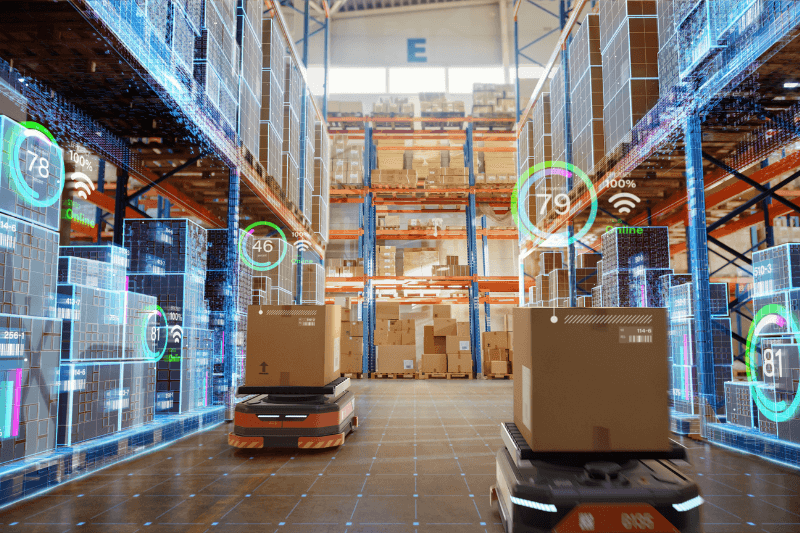
In the age of rapid technological advancement, warehouses are transforming into highly efficient and intelligent systems through the adoption of smart warehousing techniques. At the core of this transformation is the Internet of Things (IoT)—a technology that connects everyday objects to the internet, enabling real-time data collection and automation. The integration of IoT in warehousing is revolutionizing storage systems management, redefining how businesses operate, optimize space, and fulfill orders.
This article explores how IoT powers smart warehousing, detailing the technologies involved, the benefits for storage systems management, challenges to anticipate, and future trends shaping the logistics landscape.
What is Smart Warehousing?
Smart warehousing is the integration of advanced technologies like IoT, robotics, analytics, and automation into traditional warehouse operations. It uses interconnected devices such as sensors, scanners, and mobile robots that communicate continuously to monitor inventory levels, equipment condition, environmental factors, and employee movement.
IoT acts as the backbone of this ecosystem, providing critical data that warehouse management systems leverage for smarter decisions. This holistic approach results in increased transparency, more efficient workflows, and safer workplace conditions.
Key IoT Technologies Powering Smart Warehousing
RFID and Real-Time Tracking
Radio-frequency identification (RFID) tags attached to pallets, boxes, and products enable rapid and accurate inventory tracking. When combined with IoT-enabled RFID readers, warehouses achieve near-perfect stock visibility, reducing manual counting errors and improving logistics accuracy.
Environmental Sensors
IoT sensors continuously monitor temperature, humidity, and air quality—crucial for warehouses storing perishable goods like pharmaceuticals or food items. Proactive alerts prevent spoilage and ensure compliance with regulatory requirements.
Automated Guided Vehicles (AGVs) and Autonomous Mobile Robots (AMRs)
These robots, connected to IoT platforms, automate material transport, picking, and sorting. They navigate warehouses dynamically, reducing human labor and increasing throughput.
Smart Storage Racks and Shelving
IoT-enabled racks feature sensors that monitor load weight, shelf occupancy, and structural integrity. This data helps optimize space utilization and provides early warnings of potential maintenance issues.
Benefits of IoT in Storage Systems Management
Real-Time Inventory Transparency
IoT provides live updates on stock levels and location, helping managers plan replenishment accurately and prevent stockouts or overstock situations.
Predictive Maintenance
Sensors track wear and tear of forklifts, conveyor belts, and racks. Early detection of faults minimizes downtime and repair costs.
Space Optimization
Data-driven decisions on product placement based on frequency of access maximize vertical and horizontal space usage while minimizing retrieval time.
Improved Worker Safety
IoT wearables monitor worker fatigue, location, and adherence to safety protocols, reducing accidents and complying with health standards.
Enhanced Order Accuracy and Speed
Automation and real-time data reduce picking errors, allowing faster dispatch and better customer satisfaction.
Integration with Warehouse Management Systems (WMS)
IoT devices don’t function in isolation; they feed into WMS and enterprise resource planning (ERP) software, enabling AI-based analytics and intelligent automation. This integration streamlines workflow from inbound receiving to final order fulfillment, ensuring data-driven decision making across the supply chain.
Practical Use Cases of IoT in Storage Management
- Cold chain logistics: IoT monitors environmental conditions critical for vaccine or frozen food storage.
- Inventory tracking: Automated cycle counting with IoT scanners reduces time and labor costs.
- Slotting optimization: IoT data guides placement of frequently picked items within easy reach.
Challenges of IoT Adoption in Warehousing
High Initial Investment
IoT infrastructure—including sensors, network, software, and devices—requires significant upfront capital.
Data Security
Connected devices create new cybersecurity risks requiring robust encryption, firewalls, and monitoring.
Skill Gaps and Training
Employees must be educated to interpret IoT data and manage new workflows effectively.
Future Trends in Smart Warehousing and IoT
- 5G Connectivity: Ultra-fast data transmission supports real-time coordination of multiple IoT devices.
- Digital Twins: Virtual warehouse models simulate inventory flows, enhancing planning and problem-solving.
- Collaborative Robots: IoT-enabled robots working safely alongside humans increase efficiency.
Conclusion
Smart warehousing powered by IoT represents a paradigm shift in storage systems management. The potential to boost efficiency, reduce costs, enhance safety, and scale operations is immense and accessible. Businesses that embrace this technology now will secure a competitive advantage in the evolving logistics sector, delivering better outcomes faster and safer than ever before.

Related posts