Fire Safety Tips for Industrial Racks and Storage Rooms

5 Signs Your Warehouse Needs a Storage System Upgrade
September 20, 2025
Smart Warehousing: How IoT is Revolutionizing Storage Systems Management
October 19, 2025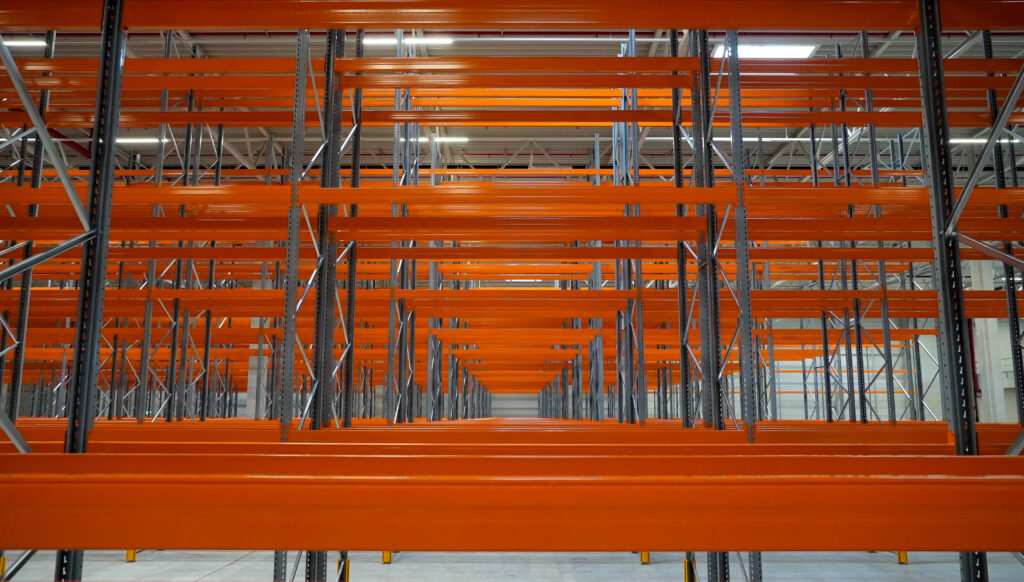
In today’s fast-paced industrial landscape, warehouses and storage facilities depend heavily on industrial racks to maximize space and organize inventory efficiently. However, densely packed storage areas can pose significant fire risks if safety is not prioritized. Fires in warehouses not only threaten costly inventory but can also jeopardize human lives and damage critical infrastructure.
Because of their scale and the nature of stored goods, warehouses with industrial racks require carefully designed fire prevention, detection, and suppression systems aligned with the latest safety regulations and standards. This blog explores essential fire safety tips tailored for industrial racks and storage rooms to help businesses protect their assets, employees, and operations.
Understanding Fire Risks Associated with Industrial Racks
Warehouses often store large quantities of combustible materials, and industrial racks increase fire spread risks by allowing fire to move vertically and horizontally along stacked goods. Narrow aisle spaces and closely packed racks can cause rapid fire growth if fire prevention measures are not adequate.
Typical fire hazards related to industrial racks include:
- Electrical faults in material handling equipment or lighting.
- Improper stacking causing fuel load concentration.
- Blocked sprinkler or fire suppression access due to excessive loading.
- Lack of fire barriers or flame-retardant coatings on racks and pallets.
Being aware of these hazards is the first step toward mitigating fire risks efficiently.
Fire Safety Standards and Regulations for Industrial Racks
Compliance with fire safety standards is critical and legally mandated. Key references include:
- National Fire Protection Association (NFPA) codes, especially NFPA 13 addressing sprinkler protection for storage.
- Indian Standard IS 3594:2024 – Steel storage racks specifying fire resistance criteria and safe installation.
- Local fire codes requiring appropriate fire exits, aisle widths, and detection systems.
For industrial racks, some critical compliance points are:
- Maintaining minimum vertical and horizontal flue spaces for sprinkler penetration.
- Using fire-resistant materials or treatments on rack components.
- Ensuring sprinkler heads have unobstructed coverage of stored goods.
Adhering to these regulations helps reduce fire risks and protect lives and property.
Designing Fire Prevention Measures for Industrial Racks
Optimizing the warehouse and rack design is a powerful preventive measure:
Adequate Flue Space
Flue spaces are open channels between racks that allow sprinkler water streams to reach fires. Proper design involves spacing racks wide enough (usually 36” horizontally) and maintaining vertical separations.
Fire-Resistant Rack Materials
Racks made of fire-retardant steel or coated with flame-resistant paints slow fire progression. Avoid materials that easily ignite or fuel fire growth.
Organized and Limited Storage Loads
Avoid overloading shelves or stacking pallets beyond design limits. Disorganized or excessive inventory creates additional fuel and blocks fire suppression agents.
Clear Aisles and Exit Paths
Ensure aisles between racks are wide and free from obstructions. Placement of emergency exits and fire extinguishers must be planned considering rack layouts.
Optimizing Sprinkler Systems for Industrial Racking
Sprinkler systems are the backbone of fire protection, especially in racked storage where fires can start and spread quickly.
Common Sprinkler Systems
- Early Suppression Fast Response (ESFR): Designed for high-challenge fires in palletized storage.
- In-Rack Sprinklers: Installed within racks providing direct fire suppression inside aisles.
- Standard Spray Sprinklers: Effective when combined with adequate flue spaces.
Sprinkler Clearance Guidelines
Sprinkler heads must maintain a minimum clearance (typically 18” to 24”) from stored goods for maximum spray coverage. Compliance prevents “shadowing,” where pallets block water spray, allowing fires to develop.
System Maintenance
Regular inspections, testing, and maintenance are essential to ensure sprinklers and alarms function correctly when needed.
Integrating Fire Detection and Alarm Systems
Beyond sprinklers, early fire detection is essential in warehouses using industrial racks.
- Smoke and heat detectors should be strategically installed in key zones, including near racks, loading docks, and electrical rooms.
- Advanced technologies such as thermal cameras and air aspiration smoke detection enhance early warning in challenging environments.
- Systems must be integrated with facility alarms and emergency response protocols to enable rapid evacuation.
Operational Fire Safety Best Practices
Fire safety is also about people and processes:
- Routine Inspections: Regular auditing for compliance, damage to racks, or blocked sprinkler access.
- Employee Training: Educate warehouse staff on fire hazards, use of extinguishers, and evacuation routes.
- Housekeeping: Control waste accumulation, manage hazardous materials carefully, and maintain clear aisles.
- Emergency Planning: Develop, document, and regularly practice fire response and evacuation plans specific to warehouse layout.
Maintenance and Continuous Monitoring
Fire safety in industrial racking systems demands ongoing vigilance:
- Scheduled maintenance of racks and fire systems prevents wear-related failures.
- Use of IoT-based sensors can monitor rack integrity and detect heat or smoke anomalies in real-time.
- Maintaining records of inspections and repairs supports regulatory compliance and insurance claims.
Emerging Technologies Enhancing Fire Safety in Industrial Racks
The future of warehouse fire safety is increasingly technology-driven:
- Fire-Retardant Coatings: New materials reduce combustibility and slow flame spread on racks and pallets.
- Automated Fire Detection and Suppression: Robotics, drones, and AI-enhanced systems offer faster and more precise fire monitoring.
- Digital Twin Simulation: Virtual modeling of warehouse layouts to predict fire behavior and optimize safety strategies ahead of installation.
Conclusion
Warehouses equipped with industrial racks face unique fire safety challenges, but with proactive design, advanced fire suppression, and rigorous operational vigilance, risks can be minimized effectively. Meeting the latest fire safety standards, implementing sprinkler best practices, and leveraging emerging technology ensures the safety of employees, inventory, and infrastructure.
For businesses seeking reliable, compliant, and robust industrial rack solutions with integrated fire safety considerations, partnering with experts such as Rolex India guarantees tailored, high-quality outcomes aligned with evolving industry norms.

Related posts