- Rolex India Engineering co.
- 8369204352
- info@rolexindia.in

Future Trends in Warehouse Storage: AI, Robotics, and Sustainability Leading 2025 Innovations
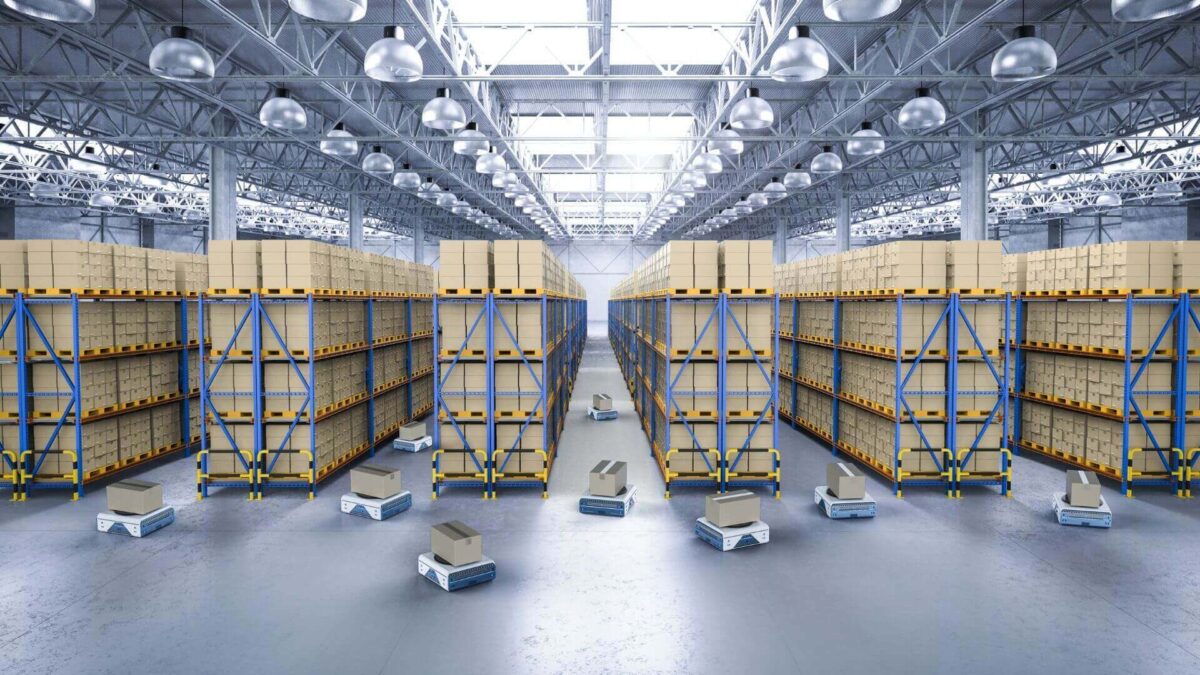
As global commerce accelerates and customer expectations reach new heights, the warehouse and logistics industry is experiencing a technological renaissance. 2025 marks a pivotal year where cutting-edge advancements like AI, robotics, and sustainability are shaping the future of warehouse storage systems. These innovations do not merely improve efficiency—they redefine the entire supply chain ecosystem, enabling companies to be more agile, eco-friendly, and customer-centric.
In this comprehensive guide, we’ll explore the key trends in warehouse storage that are revolutionizing how businesses operate in 2025 and beyond. From intelligent automation to green practices, discover how you can future-proof your warehouse.
Introduction: The Changing Landscape of Warehouse Storage
In recent years, traditional warehouses emphasized physical storage capacity and manual processes. Today, that model is rapidly evolving. With the help of IoT, AI, robotics, and eco-friendly materials, modern warehouses are transforming into smart, sustainable ecosystems.
According to recent industry reports, the global warehouse automation market is projected to grow from $6.7 billion in 2024 to over $17 billion by 2030, at a CAGR of nearly 17%. This rapid growth underscores how trend in warehouse storage is driven by innovation aimed at improving performance, reducing costs, and lowering environmental impact.
AI: The Brain Powering Future Warehouse Storage
Artificial Intelligence (AI) is at the core of the next-generation warehouse. Its applications are vast, from demand forecasting to inventory management, process optimization, and predictive maintenance.
Demand Forecasting and Inventory Optimization
AI algorithms analyze historical data, seasonal trends, and real-time sales to forecast demand accurately. This prevents overstocking and stockouts, reducing carrying costs and improving order fulfillment rates. For example, predictive analytics enable warehouses to dynamically allocate space, prioritize high-turnover items, and prevent congestion.
Automated Slotting and Space Utilization
AI-driven slotting systems continuously learn and adapt product placement based on order patterns, size, and handling requirements. This maximizes storage density and reduces retrieval times.
Predictive Maintenance of Equipment
IoT sensors coupled with AI monitor machinery efficiency, identifying potential failures before breakdowns occur. This innovation minimizes downtime and enhances operational uptime, a key trend in warehouse storage for 2025.
AI-Powered Robotics and Autonomous Vehicles
Autonomous mobile robots (AMRs) equipped with AI navigate seamlessly through warehouse aisles, transporting goods without human intervention. This automation greatly accelerates order picking, replenishment, and inventory checks, reducing labor costs and errors.
Robotics Revolutionizing Storage Management
Robotics are transforming warehouse productivity. As the trend in warehouse storage advances, autonomous robots, drones, and robotic arms are replacing manual labor in routine tasks.
Automated Guided Vehicles (AGVs) & Autonomous Mobile Robots (AMRs)
These robots facilitate material handling, delivering pallets and packages across the facility, maintaining high throughput even during peak periods.
Collaborative Robots (Cobots)
Cobot technology allows humans and robots to work side-by-side, boosting safety and efficiency. For instance, cobots assist with packing, sorting, and loading, reducing ergonomic strain and injury risk.
Robotic Warehousing Systems
Integrated systems combine multiple robots working in harmony—picking, packing, and inventory control—resulting in faster, more accurate warehouse operations. The future of trend in warehouse storage sees robots handling complex, high-volume tasks with remarkable precision.
Sustainability: The Undeniable Trend in 2025
Environmental concerns and regulatory pressures are pushing warehouses to adopt sustainable storage systems.
Eco-Friendly Rack Materials
Manufacturers are using recycled steel, bio-based paints, and environmentally friendly coatings, reducing the carbon footprint of storage infrastructure.
Energy-Efficient Facilities
Smart LED lighting, solar panel integration, and energy management systems cut power consumption. IoT sensors optimize lighting, heating, and cooling based on occupancy and environmental needs.
Circular Economy & Waste Management
Reducing packaging waste, reuse of pallets, and recycling initiatives contribute to greener warehouses. Certifications such as LEED and GRESB are becoming industry benchmarks.
Green Logistics Partners
Smart warehouses now collaborate with eco-conscious logistics providers, emphasizing low-emission transportation and renewable energy sources.
Modular and Flexible Storage Systems for Dynamic Business Needs
Flexibility is critical in an ever-changing marketplace. Modular storage systems allow warehouses to adapt quickly, accommodating rapid growth and product diversity.
Scalable Racking Systems
Adjustable pallet racks, mobile shelving, and collapsible mezzanines enable seamless expansion without major infrastructure overhaul.
Omnichannel Fulfillment
Flexible layouts support quick switching between B2B and B2C operations. Multi-purpose racks facilitate quick reconfiguration for seasonal or promotional demands.
Integration with Automation & IoT
Smart modular systems connect with automation and IoT platforms, providing real-time data for layout optimization and resource allocation.
IoT: Connecting Physical and Digital for Smarter Storage
The Internet of Things (IoT) bridges hardware and software, bringing real-time visibility and control to warehouse storage management.
Monitoring & Safety
IoT sensors monitor structural integrity, detect fire or smoke, and alert staff immediately, enhancing safety measures.
Inventory Tracking & Traceability
RFID and NFC-enabled IoT devices enable precise, automatic inventory updates, reducing manual counts and errors.
Real-Time Data for Strategic Decisions
IoT data flows directly into warehouse management systems (WMS), enabling advanced analytics, demand forecasting, and performance optimization.
Challenges Facing Future Warehouse Storage Trends
While technological advances promise enormous benefits, some obstacles remain:
- High Initial Investment: Deployment of AI, robotics, and IoT requires capital expenditure.
- Data Security & Compliance: Protecting sensitive data from cyber threats is paramount.
- Workforce Training: Employees need upskilling to operate and maintain new systems.
- Integration Complexities: Existing legacy systems may require costly upgrades for compatibility.
The Road Ahead: What’s Next for Warehouse Storage
Looking beyond 2025, innovations like 5G connectivity, digital twins, and augmented reality (AR) will further advance trend in warehouse storage. These emerging technologies will improve responsiveness, decision-making, and sustainability.
Digital Twins
Simulating warehouse operations in virtual environments to test layouts, safety protocols, and logistics scenarios in real-time.
AI and Machine Learning
Continued evolution in predictive analytics and autonomous decision-making.
Enhanced Robotics and Automation
Collaborative robots working seamlessly with human staff, handling complex logistics missions.
Conclusion
The trend in warehouse storage in 2025 is clear: integrating AI, robotics, IoT, and sustainability practices is no longer optional but essential for future-ready warehouses. These innovations empower businesses to operate faster, safer, greener, and more cost-effectively.
Leaders who adopt these advanced storage systems will not only optimize their operations but will set new industry standards, gaining a significant competitive edge. To stay ahead, it’s crucial to invest today in the warehouse of tomorrow.
Related posts