Step-by-Step Guide to Installing Pallet Racks

How to Choose the Right Heavy-Duty Racks
June 9, 2025
Why Invest in Heavy Duty Racks for Your Business
June 13, 2025
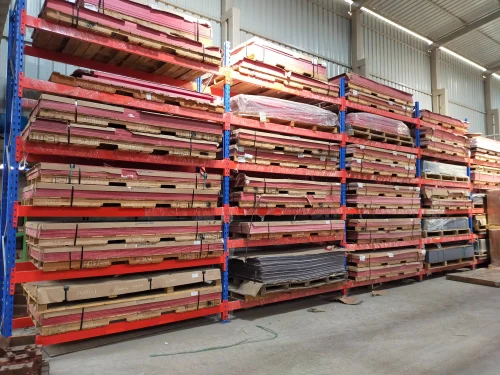
When it comes to installing pallet racks, proper setup is crucial for ensuring both safety and operational efficiency. An incorrectly installed pallet rack can lead to product damage, safety hazards, and inefficient use of warehouse space. Proper installation prevents accidents and ensures that your racks function as intended, making the entire warehouse system run smoothly.
Understanding the installation process is key to maximizing the benefits of your pallet racks. This guide will walk you through the necessary steps to ensure that your pallet racks are securely and efficiently installed.
Preparing for Installation
Before starting, it’s essential to properly prepare your warehouse and gather the right tools.
- Evaluating Your Space: The first step in installing pallet racks is to assess your warehouse layout. Measure the available space, including the height, width, and depth, to determine how much storage you can maximize. This ensures that the pallet racks will fit properly into the designated area.
- Choosing the Right Rack Type: Based on your storage needs, choose the type of pallet racks that best suit your inventory. Whether you’re using selective racks, drive-in racks, or push-back racks, understanding the purpose of each will influence the configuration.
- Tools Needed for Installation: Be sure to have all necessary tools on hand before starting the installation. Common tools include a wrench, level, hammer, bolts, and safety equipment. Using the correct tools is critical for ensuring a smooth installation process.
Step-by-Step Installation Process
The installation of pallet racks can be broken down into a few key stages. Here’s the process:
- Assemble the Frame: Start by assembling the frame of the rack. This typically involves connecting vertical beams and securing them together to form a stable structure. It’s essential to follow the manufacturer’s instructions for accurate assembly.
- Install Beams: Once the frame is in place, it’s time to add the horizontal beams that will hold the pallets. Beams should be securely fastened to the uprights, and a level should be used to ensure they are positioned correctly.
- Add Safety Features: Install any safety features, such as anti-collapse nets or rack protectors, to prevent accidents. These elements can help protect both the goods and your staff from potential injuries.
- Common Mistakes to Avoid: Always ensure that beams are properly locked in place and that the rack frame is square. Avoid over-tightening bolts or under-tightening them, as this can affect the stability of the rack.
Safety Measures During Pallet Racks Installation
Safety should always be a priority when installing pallet racks. Here are some critical safety measures to follow:
- Proper Lifting Techniques: Ensure that all personnel use correct lifting techniques when handling heavy parts. This prevents injury and ensures that racks are assembled properly.
- Safety Gear: Everyone involved in the installation should wear appropriate safety gear, such as gloves, hard hats, and steel-toed boots.
- Team Coordination: Teamwork is essential when setting up heavy pallet racks. Ensure that all team members are communicating clearly and working together to secure the racks. Stability is key to ensuring the rack is installed properly.
Pallet Rack Installation Testing and Quality Checks
Once your pallet racks are installed, it’s crucial to test their load-bearing capacity and ensure that they meet safety standards.
- Test Rack Load Capacity: Test the racks by gradually loading them with product to ensure they hold the weight as intended. Always follow the manufacturer’s guidelines regarding weight limits.
- Final Safety Checks: Before using the pallet racks, do a thorough check of all bolts, beams, and safety features. Make sure that everything is securely fastened and that the racks are stable.
Troubleshooting Pallet Racks Installation Issues
Even with careful preparation, issues can arise during the installation of pallet racks. Here’s how to address common problems:
- Misalignment: If the beams or frame are misaligned, use a level to readjust them. Misalignment can lead to instability and unsafe storage.
- Instability: If a rack is not stable, double-check that all bolts are tightly secured and that the rack is placed on a level floor. If necessary, add bracing or support to reinforce stability.
- Check for Secure Connections: Confirm that all bolts and connections are tightly secured and that the rack is stable.
- Document the Setup: It’s important to document the installation process and any unique aspects of the setup. This will be useful for future reference, especially when performing maintenance or adding new racks.
Installing pallet racks is a straightforward process that, when done correctly, can vastly improve your warehouse storage efficiency. By following the proper steps and adhering to safety standards, you ensure a stable and secure system that will support your warehouse needs for years to come.
If you’re unsure about the installation process, consider consulting a professional like Rolex India Engineering with an experience of 50 years in warehouse storage solutions and installations, who can guide you through the setup or handle the installation for you. Proper installation of pallet racks is an investment in your warehouse’s productivity and safety.

Related posts