- Rolex India Engineering co.
- 8369204352
- info@rolexindia.in

Gym Lockers – How to Choose Durable & Secure Storage Solutions
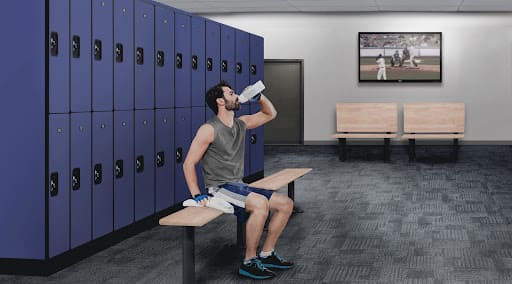
In today’s fitness industry, a gym is no longer judged only by its equipment or trainers. Members expect a complete experience clean facilities, organized spaces, and most importantly, secure storage for their personal belongings. This is where choosing the right gym lockers becomes a critical decision for any gym owner or facility manager.
From small neighborhood gyms to large fitness chains, lockers play a vital role in safety, hygiene, and customer trust. Poor-quality lockers can lead to theft complaints, maintenance issues, and a negative brand image. On the other hand, durable and secure gym lockers enhance professionalism, improve member satisfaction, and reduce long-term operational costs.
This guide will help you understand how to choose durable, secure, and long-lasting gym lockers, covering materials, locking systems, layout planning, maintenance, and manufacturer selection.
Why Gym Lockers Are Essential for Fitness Centers
Member Convenience & Trust
Gym members carry valuables such as:
- Mobile phones
- Wallets
- Smartwatches
- Keys
- Bags
Secure gym lockers give members peace of mind, allowing them to focus on their workout without worrying about theft or damage. When members trust your storage facilities, they are more likely to remain loyal to your gym.
Hygiene & Organization
Gyms are high-activity environments. Without proper locker systems:
- Bags pile up on floors
- Changing areas become cluttered
- Hygiene standards drop
Well-designed gym lockers help maintain cleanliness, improve airflow, and keep changing rooms organized.
Professional Gym Infrastructure
Lockers are a visible part of your facility. Durable, well-finished gym lockers:
- Improve the overall look of the gym
- Reflect professionalism
- Support premium membership pricing
A gym with high-quality lockers instantly feels more reliable and well-managed.
Key Factors to Consider When Choosing Gym Lockers
Durability & Material Strength
Durability is the most important factor when selecting gym lockers. Lockers are used daily, often multiple times a day, and must withstand:
- Constant opening and closing
- Moisture from sweat
- Accidental impacts
Steel gym lockers are the most popular choice for commercial gyms because they offer:
- High strength
- Long lifespan
- Resistance to wear and tear
Powder-coated steel lockers also resist rust and corrosion, making them ideal for humid environments.
Security & Locking Mechanisms
Security directly impacts member trust. Modern gym lockers support multiple locking options, including:
- Key locks
- Combination locks
- Digital keypad locks
- RFID or smart card locks
Choosing the right lock depends on:
- Gym size
- Member volume
- Budget
- Level of automation
High-end gyms often prefer digital or RFID-based locking systems for convenience and control.
Ventilation & Hygiene
Proper ventilation prevents:
- Odor buildup
- Moisture retention
- Bacterial growth
Good gym lockers include:
- Ventilation slots
- Airflow gaps
- Easy-to-clean surfaces
These features help maintain hygiene and extend locker life.
Size & Compartment Configuration
Not all gyms need the same locker size. Consider:
- Single-tier lockers for large storage
- Multi-tier lockers for compact spaces
- Separate lockers for staff and members
Choosing the right configuration improves space efficiency and user comfort.
Types of Gym Lockers Available
Metal Gym Lockers
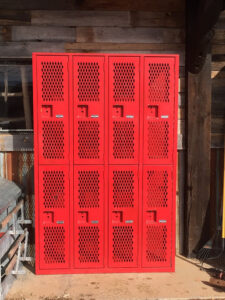
Metal gym lockers are the most widely used option in commercial gyms. Made from high-quality steel, they offer:
- Exceptional durability
- High security
- Long-term cost efficiency
They are ideal for high-footfall gyms and fitness centers.
Laminate & Plastic Gym Lockers
Plastic or laminate lockers are moisture-resistant and visually appealing. They are often used in:
- Luxury gyms
- Spas
- Swimming facilities
However, they may not match steel lockers in terms of impact resistance and long-term durability.
Smart & Digital Gym Lockers
Smart lockers are gaining popularity in modern gyms. Features include:
- Keyless access
- App-based control
- RFID or biometric entry
These lockers enhance user convenience and reduce locker management issues.
Gym Locker Security Features You Should Not Ignore
Anti-Theft Design
High-quality gym lockers include reinforced doors, concealed hinges, and sturdy frames that prevent forced entry.
Lock Compatibility & Upgrades
The ability to upgrade locking systems in the future is important. Modular locker designs allow you to switch from key locks to digital locks without replacing the entire system.
Structural Stability
Stable locker construction ensures safety and prevents tipping or wobbling, especially in multi-tier configurations.
Layout Planning for Gym Lockers
Space Optimization
Efficient locker layouts maximize capacity without overcrowding. Proper planning ensures:
- Comfortable movement
- Easy access
- Better ventilation
Traffic Flow & Accessibility
Locker placement should support smooth member flow, especially during peak hours. Separate entry and exit paths reduce congestion.
Separate Zones for Members & Staff
Staff lockers should be placed in restricted areas to ensure privacy and security.
Durability Standards for Commercial Gym Lockers
Heavy-Duty Usage Requirements
Commercial gyms require lockers built for continuous use. Thin metal or low-grade materials fail quickly under heavy usage.
Powder-Coated & Rust-Resistant Finishes
Powder coating protects lockers from:
- Sweat moisture
- Cleaning chemicals
- Corrosion
This finish also improves appearance and lifespan.
Load Capacity & Daily Wear Resistance
Gym lockers must support heavy bags, shoes, and accessories without bending or deforming.
Maintenance & Long-Term Care of Gym Lockers
Easy Cleaning & Sanitization
Smooth surfaces and quality finishes make lockers easy to clean and disinfect critical for gym hygiene standards.
Lock Maintenance
Regular inspection of locks prevents breakdowns and member complaints. Digital systems require periodic software checks.
Damage Prevention Tips
Using edge guards, quality hinges, and strong frames reduces accidental damage and repair costs.
Benefits of Investing in High-Quality Gym Lockers
Reduced Replacement Costs
Cheap lockers wear out quickly. Investing in durable gym lockers reduces long-term replacement expenses.
Enhanced Member Satisfaction
Secure and clean lockers improve member experience, leading to better retention and referrals.
Improved Safety & Compliance
Strong locker systems reduce theft incidents and support safety compliance in commercial facilities.
How to Choose the Right Gym Locker Manufacturer
Customization Options
A professional manufacturer offers customization in:
- Size
- Color
- Locking system
- Layout
This ensures lockers fit your space and brand identity.
Manufacturing Quality & Standards
Industrial-grade manufacturing ensures:
- Structural strength
- Safety compliance
- Long product life
Installation & After-Sales Support
Professional installation and reliable after-sales support are essential for long-term performance.
Why Rolex India Is a Trusted Manufacturer of Gym Lockers
Rolex India brings years of experience in manufacturing commercial and industrial storage solutions. Their gym lockers are designed with:
- Heavy-duty steel construction
- Secure locking systems
- Custom-built layouts
- Long-lasting finishes
This expertise ensures gym owners receive locker solutions that perform reliably under daily commercial use.
Frequently Asked Questions – Gym Lockers
What is the best material for gym lockers?
Steel is the most durable and widely used material for commercial gym lockers.
Are metal gym lockers better than plastic lockers?
Yes, metal lockers offer better durability and security for high-traffic gyms.
Which locks are safest for gym lockers?
Digital and RFID locks provide the highest level of security and convenience.
How long do commercial gym lockers last?
High-quality steel gym lockers can last 10–15 years or more with proper maintenance.
Can gym lockers be customized?
Yes, lockers can be customized in size, color, layout, and locking system.
How many lockers does a gym need?
The number depends on membership size, peak-hour usage, and locker turnover rate.
Final Thoughts – Choosing the Right Gym Lockers for Your Facility
Gym lockers are more than just storage units; they are a core part of the member experience. Choosing durable, secure, and well-designed gym lockers protects member belongings, enhances hygiene, and strengthens your gym’s professional image.
By focusing on material quality, security features, layout planning, and reliable manufacturing, gym owners can invest in locker solutions that deliver long-term value and operational efficiency.
Related posts