- Rolex India Engineering co.
- 8369204352
- info@rolexindia.in

Document Storage Racks vs Filing Cabinets – Which Is Better for Your Office?
In today’s offices, documents are more than just paperwork; they are legal records, financial data, compliance files, and critical business information. As organizations grow, managing these documents efficiently becomes a serious challenge. One of the most common questions facility managers and decision-makers face is: document storage racks vs filing cabinets, which is better for your office?
Both storage systems are widely used, but they serve different purposes. Choosing the wrong one can lead to wasted space, poor organization, security risks, and higher long-term costs. Choosing the right one improves productivity, protects important documents, and keeps your workplace organized and compliant.
This detailed guide compares document storage racks and filing cabinets across capacity, space usage, security, cost, and real-world office use cases so you can make the right decision for your business.
Why Organized Document Storage Matters in Modern Offices
Offices today must handle:
- Increasing volumes of paperwork
- Regulatory and compliance requirements
- Quick access to records
- Secure storage of confidential information
Poor document management leads to lost files, slow retrieval, cluttered workspaces, and security risks. Investing in the right storage solution, whether document storage racks or filing cabinets, directly impacts efficiency and professionalism.
What Are Document Storage Racks
Definition of Document Storage Racks
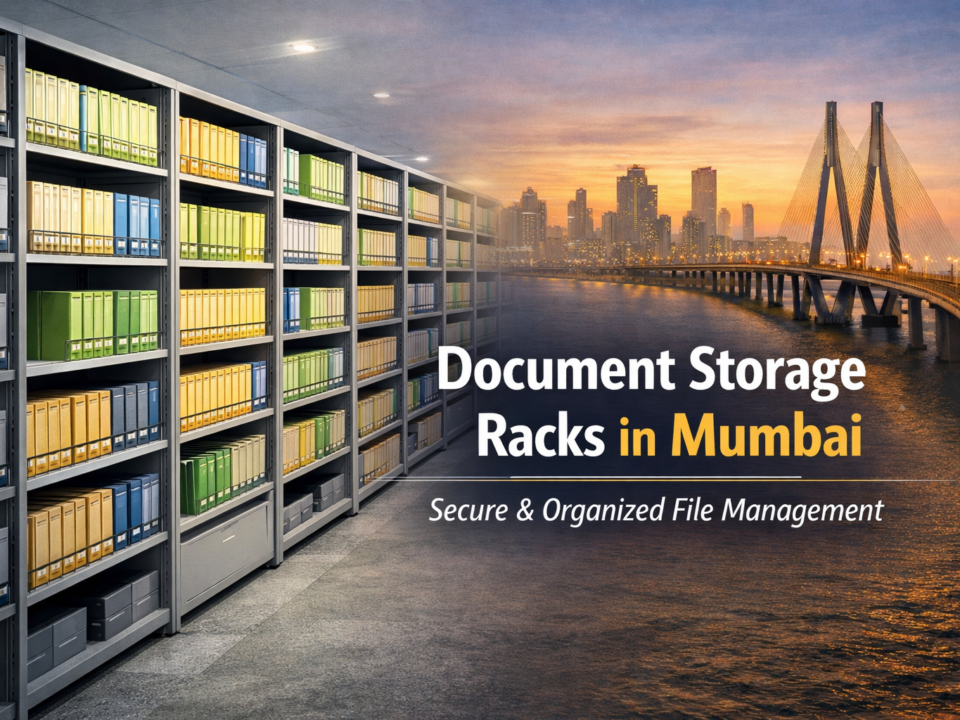
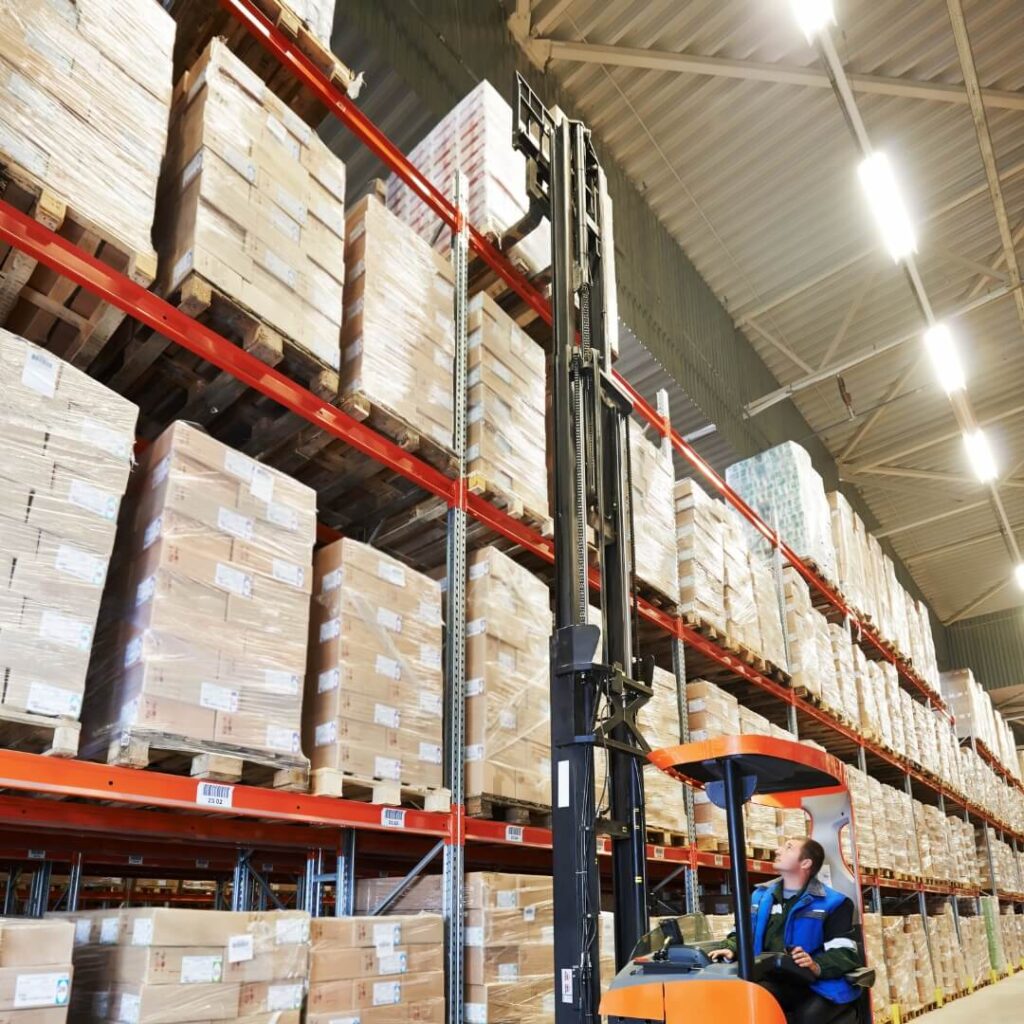
Document storage racks are open or semi-enclosed shelving systems designed to store large volumes of files, folders, and cartons. They are commonly used in record rooms, archives, and back-office areas where bulk document storage is required.
These racks are typically made from steel and designed to handle heavy loads while maximizing vertical space.
Common Uses of Document Storage Racks
Document storage racks are widely used in:
- Corporate record rooms
- Government offices
- Warehouses and archives
- Hospitals and educational institutions
- Back-office documentation centers
They are ideal where documents need to be stored systematically but not necessarily accessed every few minutes.
Key Features of Document Storage Racks
- High load-bearing capacity
- Open access for bulk storage
- Modular and expandable design
- Excellent use of vertical space
- Cost-effective for large volumes
What Are Filing Cabinets
Definition of Filing Cabinets
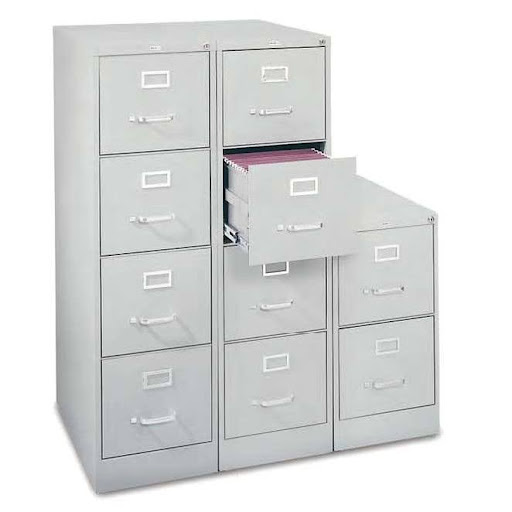
Filing cabinets are enclosed storage units with drawers designed for organizing documents in a structured manner. Each drawer is typically used for categorized or alphabetically arranged files.
Filing cabinets are commonly placed near workstations for quick and frequent access.
Common Uses of Filing Cabinets
Filing cabinets are best suited for:
- Corporate offices
- HR and administration departments
- Legal and finance teams
- Front-office environments
They are ideal for documents that need frequent access and higher confidentiality.
Key Features of Filing Cabinets
- Drawer-based organization
- Lockable compartments
- Compact footprint
- Professional office appearance
- Easy document retrieval
Document Storage Racks vs Filing Cabinets – Key Differences
Storage Capacity
When comparing document storage racks vs filing cabinets, capacity is a major factor.
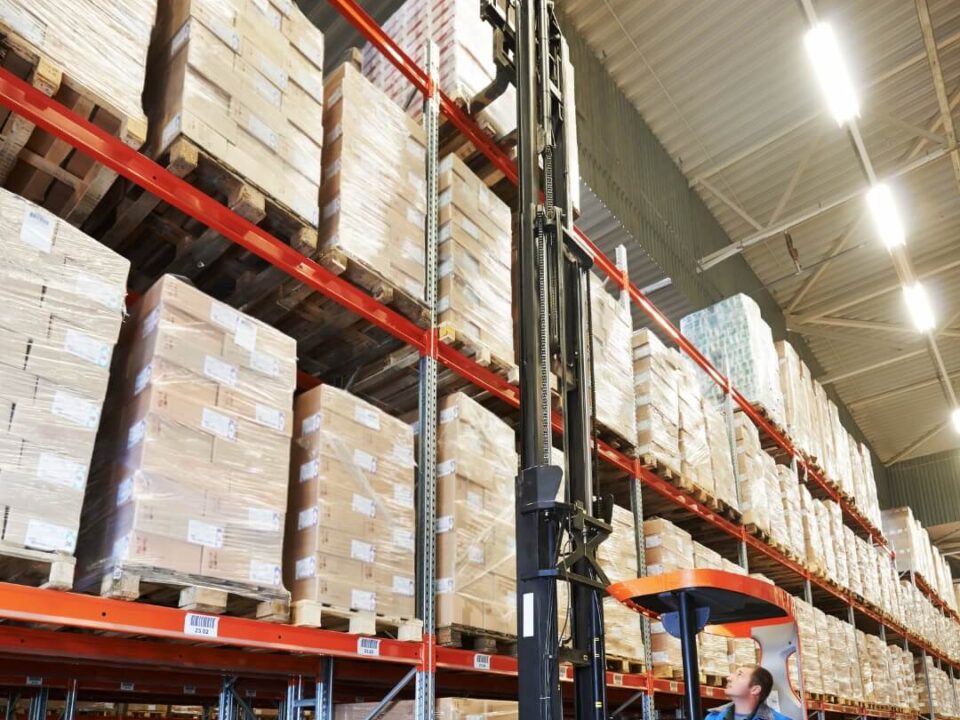
Document storage racks are designed for bulk storage. They can hold thousands of files or boxes, making them ideal for long-term archiving.
Filing cabinets have limited capacity and are better suited for active documents that are accessed regularly.
Winner: Document storage racks for high-volume storage.
Space Utilization
Document storage racks use vertical space efficiently and can be customized to ceiling height. This makes them ideal for record rooms and storage areas.
Filing cabinets occupy more floor space per file stored and require clearance for drawer operation.
Winner: Document storage racks for space efficiency.
Accessibility & Retrieval Speed
Filing cabinets are designed for quick access. Drawers slide out smoothly, and files are clearly organized.
Document storage racks provide open access, but retrieving specific files may take longer in high-volume setups.
Winner: Filing cabinets for frequent access.
Security & Privacy
Filing cabinets usually come with built-in locking systems, making them suitable for confidential documents.
Document storage racks can be secured through:
- Lockable rooms
- Caged enclosures
- Restricted access policies
Winner: Filing cabinets for document-level security.
Cost Comparison – Document Storage Racks vs Filing Cabinets
Initial Purchase Cost
Document storage racks generally offer lower cost per file stored, especially when storing large volumes.
Filing cabinets have a higher cost per unit of storage due to drawer mechanisms and compact design.
Long-Term Cost Efficiency
Document storage racks deliver better ROI for organizations with growing documentation needs. They reduce the need for frequent expansion or additional rooms.
Filing cabinets are cost-effective only when document volumes remain stable.
Maintenance & Replacement Costs
Both systems require minimal maintenance when built with quality materials. Steel racks and steel filing cabinets offer long service life with proper care.
Security & Compliance Considerations
Locking Systems & Access Control
Filing cabinets provide individual drawer locks, ideal for sensitive documents.
Document storage racks rely on controlled room access, making them better for centralized records management.
Confidential Document Protection
Departments handling payroll, legal records, or HR files benefit more from filing cabinets due to controlled access.
Fire & Safety Considerations
Both storage systems can be manufactured using fire-resistant materials and installed according to safety regulations.
Use-Case Based Comparison
Document Storage Racks for Record Rooms
If your office manages:
- Archived files
- Compliance records
- Old financial documents
Document storage racks are the best solution.
Filing Cabinets for Daily Office Use
If your team accesses documents multiple times a day, filing cabinets provide better organization and convenience.
Hybrid Storage Solutions for Large Offices
Many large offices use both systems together:
- Filing cabinets near workstations
- Document storage racks in record rooms
This hybrid approach offers the best of both worlds.
Advantages of Document Storage Racks
High Storage Capacity
They can handle massive volumes without clutter.
Flexible Layout & Expansion
Racks can be expanded or reconfigured as storage needs grow.
Cost-Effective Bulk Storage
They reduce the cost per stored document significantly.
Advantages of Filing Cabinets
Better Document Organization
Drawers and folders make categorization simple.
Enhanced Security
Lockable drawers protect sensitive information.
Professional Office Appearance
Filing cabinets blend seamlessly into office interiors.
How to Choose Between Document Storage Racks and Filing Cabinets
Volume of Documents
High volume favors racks; moderate volume favors cabinets.
Frequency of Access
Frequent access favors filing cabinets.
Security Requirements
High confidentiality favors filing cabinets.
Available Office Space
Limited space favors vertical document storage racks.
Budget Considerations
Long-term cost savings favor document storage racks.
Why Professional Storage Solutions Matter
Customization Options
Professional manufacturers tailor:
- Size
- Load capacity
- Layout
- Finish
to suit your office needs.
Material Quality & Load Capacity
Industrial-grade steel ensures long-lasting performance and safety.
Installation & After-Sales Support
Proper installation improves durability and usability.
Why Rolex India Is a Trusted Manufacturer of Office Storage Solutions
With extensive experience in industrial and office storage systems, Rolex India manufactures both document storage racks and filing cabinets designed for Indian office environments. Their solutions focus on:
- Heavy-duty steel construction
- Efficient space utilization
- Secure and organized storage
- Custom-built designs for B2B clients
This expertise ensures reliable, scalable, and long-term storage solutions for offices of all sizes.
Frequently Asked Questions – Document Storage Racks vs Filing Cabinets
Which storage option holds more documents?
Document storage racks hold significantly more documents than filing cabinets.
Are document storage racks secure enough for offices?
Yes, when installed in controlled-access rooms.
Do filing cabinets take less space?
They take less space per unit but store fewer documents overall.
Which option is more cost-effective?
Document storage racks are more cost-effective for bulk storage.
Can both storage systems be used together?
Yes, many offices successfully use both systems.
Which is better for long-term document archiving?
Document storage racks are better for long-term archiving.
Final Verdict – Document Storage Racks vs Filing Cabinets
The choice between document storage racks vs filing cabinets depends entirely on how your office handles documents. For bulk storage, archives, and cost efficiency, document storage racks are the superior solution. For daily access, confidentiality, and organized retrieval, filing cabinets remain essential.
Most modern offices benefit from a hybrid approach, using both systems strategically to balance efficiency, security, and scalability.
Related posts