The Ultimate Guide to Choosing Personal Lockers for Employee Wellness and Security

Elevate Your Storage Solution With Pallet Racks
September 7, 2025
5 Signs Your Warehouse Needs a Storage System Upgrade
September 20, 2025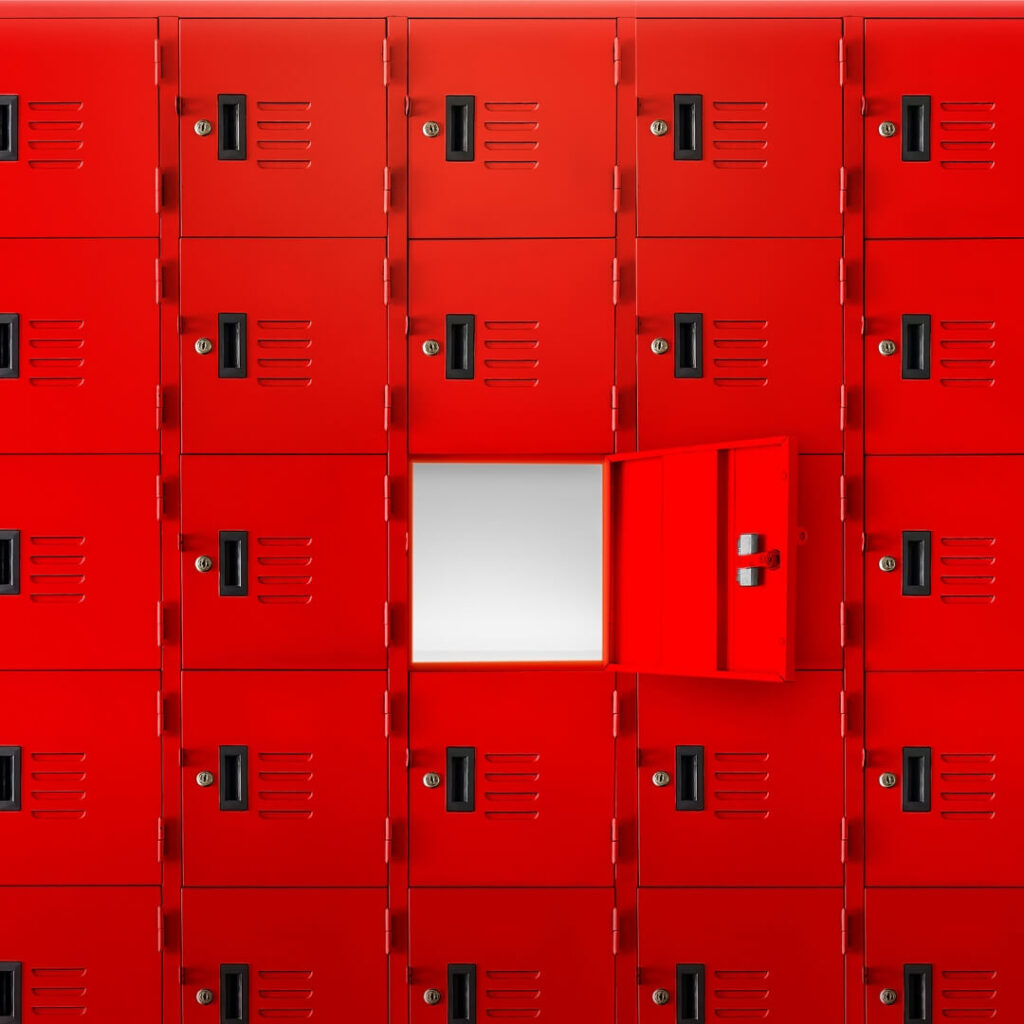
In today’s rapidly evolving workplace landscape, organizations are discovering that employee satisfaction and productivity extend far beyond traditional benefits packages. One often-overlooked element that significantly impacts both employee wellness and workplace security is the implementation of Personal Lockers for Employee storage solutions. As modern workplaces embrace hybrid models, hot-desking arrangements, and wellness-focused initiatives, the strategic deployment of employee lockers has emerged as a critical component of comprehensive workplace design.
The transformation from traditional desk-assigned storage to sophisticated locker systems reflects a broader shift in how we conceptualize workspace functionality. Personal Lockers for Employee use are no longer simply utilitarian storage units they represent a commitment to employee security, wellness, and organizational efficiency that can yield measurable returns on investment while enhancing overall workplace satisfaction.
The Business Case for Personal Lockers for Employee
Enhanced Workplace Security and Theft Prevention
Workplace theft costs businesses billions annually, with personal belongings being particularly vulnerable targets. Implementing secure Personal Lockers for Employee creates a robust first line of defense against both internal and external theft. Beyond the obvious benefit of protecting valuable items like electronics, wallets, and personal documents, secure storage solutions significantly reduce organizational liability and potential insurance claims.
Modern workplace security extends beyond traditional concerns to encompass data protection and privacy. When employees have secure storage for mobile devices, tablets, and other technology, organizations can better control access to sensitive information while maintaining employee trust and autonomy. This dual benefit of personal security and corporate data protection makes locker systems an essential investment for forward-thinking organizations.
Improved Employee Wellness and Work-Life Balance
The connection between organized workspace and mental wellness is well-documented in organizational psychology research. Personal Lockers for Employee provide a crucial element often missing in modern open office environments: private, secure space for personal belongings that supports both physical and psychological well-being.
For organizations promoting workplace wellness initiatives, lockers become enablers of healthy behaviors. Employees with secure storage are more likely to bring fitness equipment, healthy meals, and workout clothes to the office, directly supporting corporate wellness goals. The availability of specialized lockers with charging capabilities or climate control features further enhances the employee experience while demonstrating organizational commitment to comprehensive workplace support.
Increased Productivity and Organization
Cluttered workspaces have been consistently linked to decreased productivity and increased stress levels. By providing Personal Lockers for Employee storage, organizations enable workers to maintain clean, organized workstations that promote focus and efficiency. This is particularly crucial in hot-desking environments where multiple employees share workspace throughout the day.
The psychological benefit of having designated personal space cannot be understated. Even in shared work environments, lockers provide employees with a sense of ownership and territory that contributes to job satisfaction and organizational attachment. This emotional connection to the workplace often translates into improved retention rates and higher employee engagement scores.
Types of Personal Lockers for Employee: Finding Your Perfect Match
Traditional Metal Lockers: Reliable and Cost-Effective
Traditional metal lockers remain the backbone of employee storage solutions due to their durability, security, and cost-effectiveness. Available in multiple configurations including single-tier, double-tier, and compact box-style units, these systems can be customized to fit virtually any space constraint while providing reliable long-term service.
Modern metal locker systems incorporate advanced features such as improved ventilation systems, powder-coated finishes for enhanced durability, and ergonomic handle designs. The variety of sizes available from full-height units suitable for storing coats and bags to compact personal item storage ensures that Personal Lockers for Employee can be tailored to specific organizational needs and space limitations.
Smart Digital Lockers: Technology-Driven Security
The evolution toward smart locker systems represents a significant advancement in workplace storage technology. These systems utilize RFID cards, PIN codes, mobile app integration, or biometric access controls to provide enhanced security while generating valuable usage analytics for facility managers.
Smart Personal Lockers for Employee offer unprecedented flexibility in access management, allowing for dynamic allocation based on shift schedules, temporary assignments, or visitor access. The ability to remotely monitor usage patterns, track maintenance needs, and optimize space allocation makes these systems particularly valuable for large organizations or those with complex operational requirements.
Specialized Locker Solutions for Modern Workplaces
Contemporary workplace demands have driven innovation in specialized locker designs. Charging lockers equipped with power outlets and USB ports address the reality of device-dependent work environments, while heated lockers provide solutions for climates where damp clothing or equipment storage is problematic.
Z-configuration lockers maximize storage density in space-constrained environments, while modular systems allow for future expansion or reconfiguration as organizational needs evolve. These specialized solutions demonstrate how Personal Lockers for Employee can be strategically deployed to address specific operational challenges while enhancing the overall workplace experience.
Key Selection Factors: What to Consider Before Purchasing
Space Planning and Layout Optimization
Effective implementation of Personal Lockers for Employee begins with comprehensive space analysis and strategic planning. Organizations must carefully consider the ratio of lockers to employees, accounting for shift patterns, part-time workers, and potential growth. Industry standards suggest ratios ranging from 1:1 for dedicated assignments to 1:1.5 for shared systems, but specific requirements vary based on usage patterns and organizational culture.
Strategic placement significantly impacts user adoption and operational efficiency. Lockers should be positioned near entry points for convenience but away from high-traffic areas to prevent congestion. Consideration must also be given to accessibility requirements, ensuring compliance with ADA guidelines while maintaining security and efficiency.
Security Features and Access Control
The security architecture of locker systems directly impacts both employee satisfaction and organizational risk management. Traditional key-based systems offer simplicity and low maintenance but create administrative burdens and security vulnerabilities. Electronic systems provide enhanced security and administrative control but require ongoing maintenance and power infrastructure.
Modern Personal Lockers for Employee security systems can integrate with existing workplace access control platforms, creating seamless user experiences while maintaining centralized security management. Features such as audit trails, temporary access codes, and remote lock-down capabilities provide administrators with powerful tools for managing both routine operations and emergency situations.
Durability and Material Selection Considerations
The longevity and performance of locker systems depend heavily on material selection and construction quality. Steel gauge thickness affects both durability and cost, with heavier gauges providing enhanced security but increased expense. Powder coating finishes offer superior corrosion resistance compared to traditional paint, particularly important in humid environments or areas with frequent cleaning.
Ventilation design impacts both odor control and moisture management, crucial factors in employee satisfaction and system longevity. Personal Lockers for Employee in different environments require varying levels of ventilation, from minimal airflow for document storage to enhanced ventilation for athletic equipment or damp clothing storage.
Modern Workplace Considerations
Supporting Hybrid and Flexible Work Models
The shift toward hybrid work arrangements has fundamentally changed how organizations approach employee storage needs. Traditional assigned lockers may sit empty for extended periods while temporary workers lack storage options. Dynamic allocation systems allow Personal Lockers for Employee to be reassigned based on actual usage patterns, maximizing efficiency while reducing costs.
Advanced locker management systems can integrate with scheduling software to automatically allocate storage based on employee presence, ensuring optimal utilization while maintaining security protocols. This technological integration transforms lockers from static storage into dynamic workplace resources that adapt to changing organizational needs.
Accessibility and Inclusive Design
Creating truly inclusive workplaces requires consideration of diverse employee needs in all aspects of facility design, including storage solutions. Personal Lockers for Employee must accommodate varying physical abilities, storage requirements, and cultural preferences while maintaining security and efficiency standards.
Universal design principles suggest incorporating lockers at multiple heights, with varying door opening mechanisms, and different internal configurations to serve employees with diverse needs. This inclusive approach not only ensures legal compliance but demonstrates organizational commitment to employee equity and satisfaction.
Implementation Guide: From Planning to Launch
Needs Assessment and Employee Engagement
Successful implementation of Personal Lockers for Employee systems begins with comprehensive needs assessment involving stakeholder input from across the organization. Employee surveys can reveal usage patterns, security concerns, and feature preferences that inform both system selection and placement decisions.
Understanding current storage behaviors and pain points helps organizations avoid common implementation pitfalls while ensuring high adoption rates. This research phase should also include analysis of growth projections, operational changes, and technology integration requirements to ensure long-term system viability.
Installation Best Practices and Change Management
The physical installation of locker systems represents only one component of successful implementation. Effective change management ensures employee buy-in and optimal utilization of new storage resources. Communication strategies should emphasize security benefits, convenience improvements, and organizational commitment to employee welfare.
Training programs help employees understand proper usage procedures, security protocols, and available features. For smart locker systems, hands-on training sessions and readily available support resources are crucial for overcoming technology adoption barriers and ensuring system success.
Smart Locker Technology: The Future is Here
Advanced Features and Capabilities
Modern smart locker systems offer sophisticated features that extend far beyond basic storage functionality. Mobile app integration allows employees to locate, reserve, and access lockers using smartphones, while real-time availability displays help optimize usage during peak periods.
Advanced Personal Lockers for Employee systems can generate detailed analytics on usage patterns, helping facility managers optimize placement, sizing, and allocation strategies. Predictive maintenance features alert administrators to potential issues before they impact operations, reducing downtime and maintenance costs.
Integration with Workplace Systems
The true power of smart locker technology emerges through integration with broader workplace management systems. Connection with HR databases enables automatic provisioning and de-provisioning of access as employees join or leave the organization. Integration with physical access control systems creates seamless user experiences while maintaining security protocols.
Building management system integration allows locker status monitoring alongside other facility metrics, providing comprehensive operational visibility. This holistic approach transforms Personal Lockers for Employee from standalone storage units into integral components of intelligent workplace ecosystems.
Maximizing ROI: Measuring Success and Long-term Benefits
Quantifiable Benefits and Cost Savings
The return on investment for Personal Lockers for Employee systems extends across multiple organizational dimensions. Direct cost savings include reduced theft losses, decreased insurance premiums, and improved space utilization efficiency. Indirect benefits encompass enhanced employee satisfaction, improved retention rates, and increased productivity levels.
Organizations typically see measurable improvements in workplace organization and cleanliness following locker implementation, contributing to better corporate image and employee pride. The professional appearance of organized facilities can positively impact client perceptions and recruitment efforts, providing additional value beyond operational benefits.
Key Performance Indicators and Success Metrics
Effective measurement of locker system success requires establishing clear metrics and monitoring procedures. Usage rates indicate employee adoption and system appropriateness, while security incident reductions demonstrate protective value. Employee satisfaction surveys provide qualitative feedback on system effectiveness and areas for improvement.
Maintenance costs and system reliability metrics help evaluate long-term operational efficiency and vendor performance. Personal Lockers for Employee systems should demonstrate consistent availability, minimal maintenance requirements, and adaptability to changing organizational needs over their operational lifetime.
Industry-Specific Considerations
Healthcare and Medical Facilities
Healthcare environments present unique challenges for employee storage systems, including infection control requirements, regulatory compliance, and 24/7 operational demands. Personal Lockers for Employees in medical settings must accommodate personal protective equipment, maintain hygiene standards, and provide secure storage for sensitive items.
Specialized features such as antimicrobial coatings, enhanced ventilation systems, and easy-clean surfaces are essential for healthcare applications. The ability to quickly sanitize and reconfigure storage areas supports infection control protocols while maintaining operational efficiency.
Manufacturing and Industrial Settings
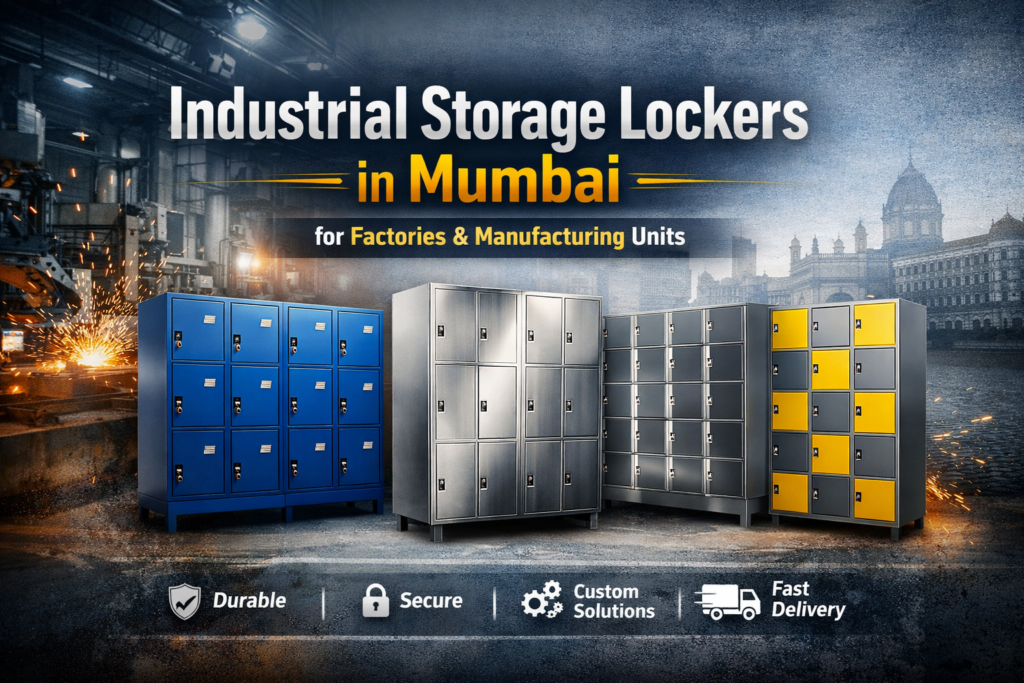
Industrial environments require robust locker systems capable of withstanding harsh conditions while providing secure storage for safety equipment and personal items. Personal Lockers for Employee in manufacturing settings must accommodate bulky items, resist environmental contaminants, and integrate with safety protocols.
Heavy-duty construction, corrosion-resistant finishes, and enhanced security features are standard requirements for industrial applications. The ability to store safety equipment alongside personal items ensures compliance with occupational safety requirements while promoting employee welfare.
Legal and Policy Considerations
Privacy Rights and Search Policies
The deployment of Personal Lockers for Employee requires careful consideration of privacy rights and legal obligations. Organizations must establish clear policies regarding locker usage, search procedures, and content restrictions while respecting employee privacy expectations and legal requirements.
Written policies should address circumstances under which lockers may be searched, notification procedures, and documentation requirements. Balancing security needs with privacy rights requires ongoing legal review and policy updates as regulations evolve.
Conclusion: Making the Smart Choice for Your Organization
The implementation of Personal Lockers for Employee represents a strategic investment in organizational efficiency, security, and employee satisfaction. From traditional metal systems offering reliable, cost-effective storage to sophisticated smart lockers providing advanced features and analytics, modern organizations have access to solutions that can be precisely tailored to their operational requirements and cultural values.
Success in locker system implementation requires careful planning, stakeholder engagement, and ongoing management commitment. Organizations that approach employee storage as a component of comprehensive workplace strategy—rather than simply a facility requirement consistently achieve better outcomes in employee satisfaction, operational efficiency, and return on investment.
The evolution of workplace storage continues to accelerate, driven by technological advancement, changing work patterns, and growing recognition of the connection between physical environment and employee performance. Personal Lockers for Employee that seemed adequate yesterday may be insufficient for tomorrow’s workplace demands, making strategic planning and system scalability crucial considerations.
Forward-thinking organizations recognize that investing in quality employee storage solutions yields dividends far beyond the initial cost. Enhanced security, improved organization, increased productivity, and higher employee satisfaction create cumulative value that strengthens organizational performance across multiple dimensions.
As you evaluate storage solutions for your organization, consider not just immediate needs but long-term strategic objectives. The right Personal Lockers for Employee system becomes an invisible infrastructure that supports countless daily interactions while contributing to broader organizational success. Make the choice that positions your organization for sustained growth, enhanced security, and superior employee experience in the evolving workplace landscape.

Related posts