10 Genius Warehouse Storage Hacks You’d Wish You Know Sooner as a Warehouse Manager!

Maximize Space and Efficiency: A Guide to Industrial Storage Systems in Thane
June 29, 2024
# Revealed: The Secret to Maximizing Warehouse Space Without Expanding Your Facility
March 19, 2025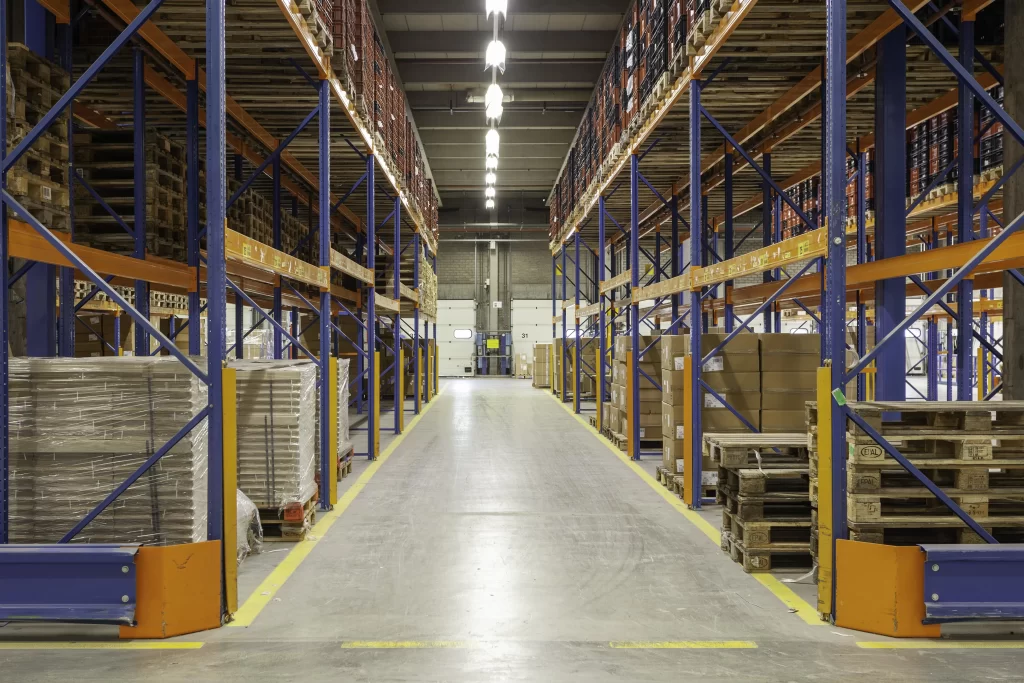
Introduction
Efficient warehouse storage is essential for maximizing space, improving productivity, and reducing operational costs. However, many warehouse managers struggle with cluttered aisles, inefficient layouts, and poor inventory organization. The good news? There are proven warehouse storage hacks that can transform any warehouse into a well-organized, high-capacity storage hub. In this guide, we’ll explore 10 genius storage hacks that will help you optimize space, streamline operations, and boost overall efficiency.
1. Use Vertical Space Like a Pro
When floor space is limited, the only way to go is up! Utilizing vertical space effectively can dramatically increase storage capacity without expanding the warehouse footprint. Here’s how:
- Install tall storage racks: High-rise Compactor systems allow for more storage without taking up valuable floor space.
- Use mezzanine floors: Adding an extra storage level above existing racks provides additional space for inventory, workstations, or packing areas.
- Overhead storage: Take advantage of overhead beams and unused ceiling space for bulk storage or seasonal items.
Pro Tip: Always ensure proper safety measures, such as weight distribution and secure Compactor, to prevent accidents and maintain warehouse efficiency.
2. Optimize Aisle Width for Maximum Efficiency
The width of your warehouse aisles can significantly impact both storage capacity and workflow efficiency. The goal is to strike the perfect balance between space-saving and easy navigation. Here’s what to consider:
- Narrow Aisle vs. Wide Aisle:
- Narrow aisles (5-7 feet): Maximize storage space but requires specialized equipment like narrow-aisle forklifts.
- Wide aisles (10-12 feet): Allow easier movement but take up more floor space.
- Adjustable racking: Configuring Compactor layouts to accommodate aisle adjustments can create a more adaptable storage system.
- One-way traffic flow: Implementing a structured aisle layout minimizes congestion and speeds up picking operations.
Pro Tip: For warehouse storage hacks Use warehouse management software (WMS) to analyze traffic flow and determine the best aisle configuration for your operations.
3. Implement Just-in-Time (JIT) Inventory
Overstocking is one of the biggest space-wasters in warehouses. The Just-in-Time (JIT) inventory system ensures that stock arrives only when needed, freeing up valuable storage space. Benefits of JIT include:
- Reduced holding costs: Less storage space is needed for excess inventory, cutting down on rent and operational expenses.
- Minimized waste: Decreases the chances of obsolete or expired stock cluttering the warehouse.
- Improved cash flow: Businesses don’t tie up capital in unused inventory.
Pro Tip: Partnering with reliable suppliers and using real-time inventory tracking ensures smooth JIT operations without stockouts.
4. Invest in Mobile Compactor Units
Static Compactor units can take up a lot of unnecessary space, but mobile compactors offer a flexible and space-saving alternative. These systems allow shelves to move, eliminating wasted aisle space when not in use.
Why Mobile Compactor Works:
- Increases storage capacity: Compact Compactor reduces the number of required aisles, maximizing space.
- Adaptable for various inventory types: This system is Perfect for both large bulk items and smaller, high-turnover products.
- Easy to reconfigure: As inventory needs change, mobile compactors can be adjusted accordingly.
Pro Tip: Consider an automated mobile compactor that integrates with WMS for enhanced efficiency and retrieval speed.
5. Categorize and Label Everything Smartly
A well-organized warehouse is one where every item has a designated place. Proper categorization and labeling help reduce picking errors, improve efficiency, and optimize space usage. Here’s how:
- Use clear signage and barcodes: Label every shelf, rack, and bin to streamline inventory tracking.
- Implement color-coded systems: Assign colors to different product categories for quick identification.
- RFID and barcode scanning: Automate tracking with modern scanning systems to ensure accurate stock levels.
Pro Tip: A well-labeled warehouse minimizes misplaced items and speeds up fulfillment times.
6. Use Stackable Bins and Containers
Stackable storage solutions maximize vertical space and improve warehouse organization. Using stackable bins and containers allows for a more structured and space-efficient storage system. Benefits include:
- Maximized storage density: Stackable bins make use of unused vertical space.
- Easy accessibility: Clearly labeled bins ensure quick identification and retrieval.
- Better organization: Helps keep small items neatly arranged and prevents clutter.
Pro Tip: Use collapsible bins when extra space is needed, allowing for more flexibility in storage layout.
7. Implement FIFO (First In, First Out) Storage Systems
The First In, First Out (FIFO) storage method ensures that older stock is used before newer stock, reducing waste and improving inventory turnover. Here’s why it works:
- Prevents expired or obsolete inventory: Especially useful for perishable goods and time-sensitive products.
- Enhances warehouse organization: Keeps inventory moving efficiently without unnecessary stockpile buildup.
- Improves cash flow: Faster turnover means quicker sales and reduced holding costs.
Pro Tip: Use pallet flow racking or a gravity-fed Compactor to facilitate easy FIFO rotation without manual intervention.
8. Utilize Dead Space for Additional Storage
Many warehouses overlook valuable dead space that can be repurposed for extra storage. Consider these smart solutions:
- Above dock doors: Install shelving above loading docks to store lightweight, less frequently used items.
- Under conveyor belts or workstations: Utilize space beneath work areas for tools, packing materials, or spare parts.
- Wall-mounted racks: Make use of empty wall space for tools, accessories, or small inventory bins.
Pro Tip: Regularly assess warehouse layouts to identify and convert underutilized spaces into functional storage areas.
9. Integrate a Warehouse Management System (WMS)
A Warehouse Management System (WMS) streamlines operations by providing real-time inventory tracking and automated space allocation. Here’s how it helps:
- Optimizes storage layouts: AI-powered WMS suggests the most efficient placement for inventory.
- Reduces human errors: Automation minimizes misplacements and stock discrepancies.
- Improves order fulfillment speed: Faster and more accurate picking and packing processes.
Pro Tip: Choose a WMS that integrates with barcode scanning and RFID technology for even greater efficiency.
10. Train Staff on Space Optimization Techniques
Even the best storage hacks won’t be effective without proper execution. Training your warehouse team on best practices ensures long-term success. Key training areas include:
- Proper stacking and storage methods: Avoid improper weight distribution that could cause damage or safety hazards.
- Efficient picking routes: Teaching workers to follow optimized paths to reduce time spent retrieving items.
- Continuous improvement: Encouraging staff to suggest layout optimizations and identify inefficiencies.
Pro Tip: Conduct regular training sessions and provide visual guides on best storage practices.
Conclusion
Maximizing warehouse space doesn’t require costly expansions, just smart warehouse storage hacks. By using vertical space, optimizing layouts, implementing technology, and training staff, warehouse managers can drastically improve efficiency and organization. Start applying these strategies today to create a more streamlined and high-capacity warehouse!
What storage hacks have worked best for your warehouse? Do share your thoughts!.
Also Read
Maximize Space and Efficiency: A Guide to Industrial Storage Systems in Thane

Related posts